New Grant to Support Collaboration on the Building H Index
We are delighted to announce that we have received our first grant! Funding from Einhorn Collaborative will support our work on the next iteration of the Building H Index, specifically to refine our approach to measuring how products and services influence the social engagement of their users and by doing so, either build greater social connection or create risks for increased social isolation and loneliness.
Read More
Building H #84: Brave New Face
It is a core belief of ours at Building H that major new technologies, over time, shape social norms and rewire our day-to-day behaviors, with often dramatic consequences to our health. So it’s no surprise that we followed with interest Apple’s unveiling this week of the Vision Pro, its new device/computing platform. How important is this?
Read More
Building H #83: Disease, Death, and Taxes
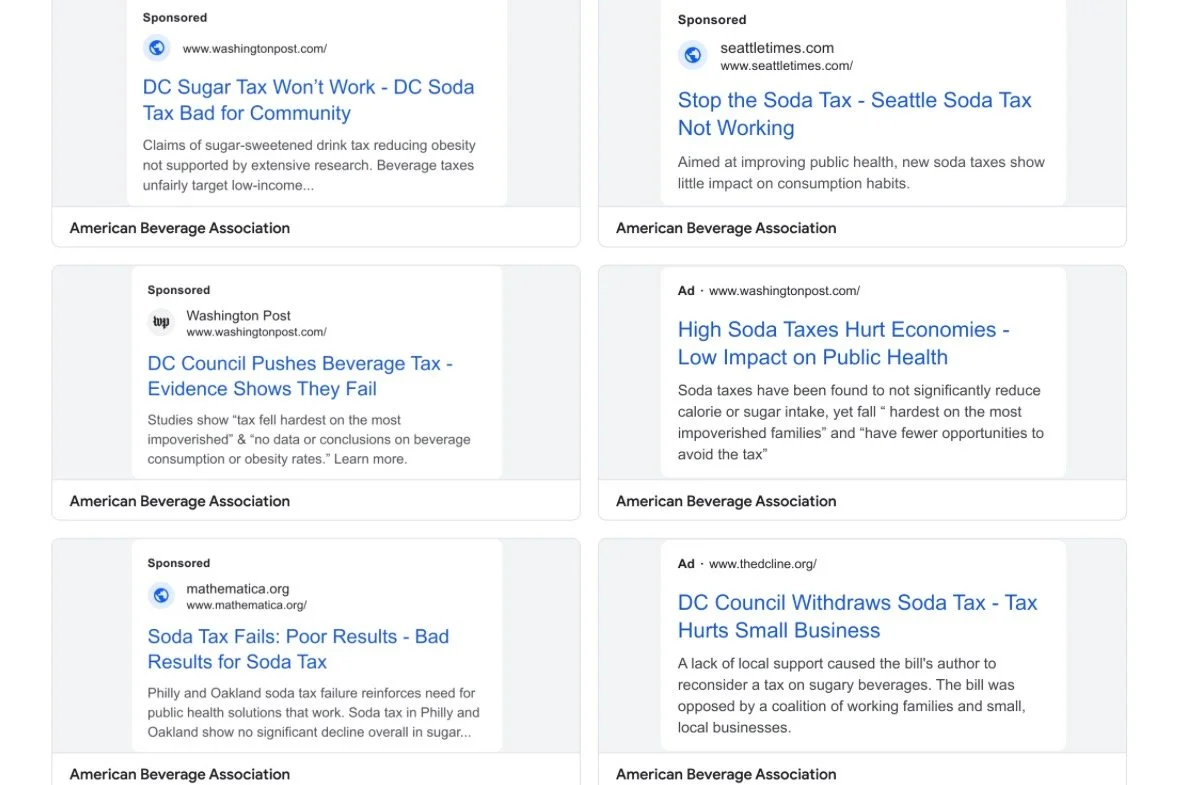
The American Beverage Association - a lobby group supported by soft-drink manufacturers including Coca-Cola, Pepsico, Monster, and most every other non-alcoholic beverage company you can think of - does not like soda taxes.
And if you happen to be googling to see if soda taxes work, they’re happy to suggest that they do not, with advertisements pushing links to stories that purport to prove that soda taxes don’t work.
Read More
Building H #82: Can't Make No Connection
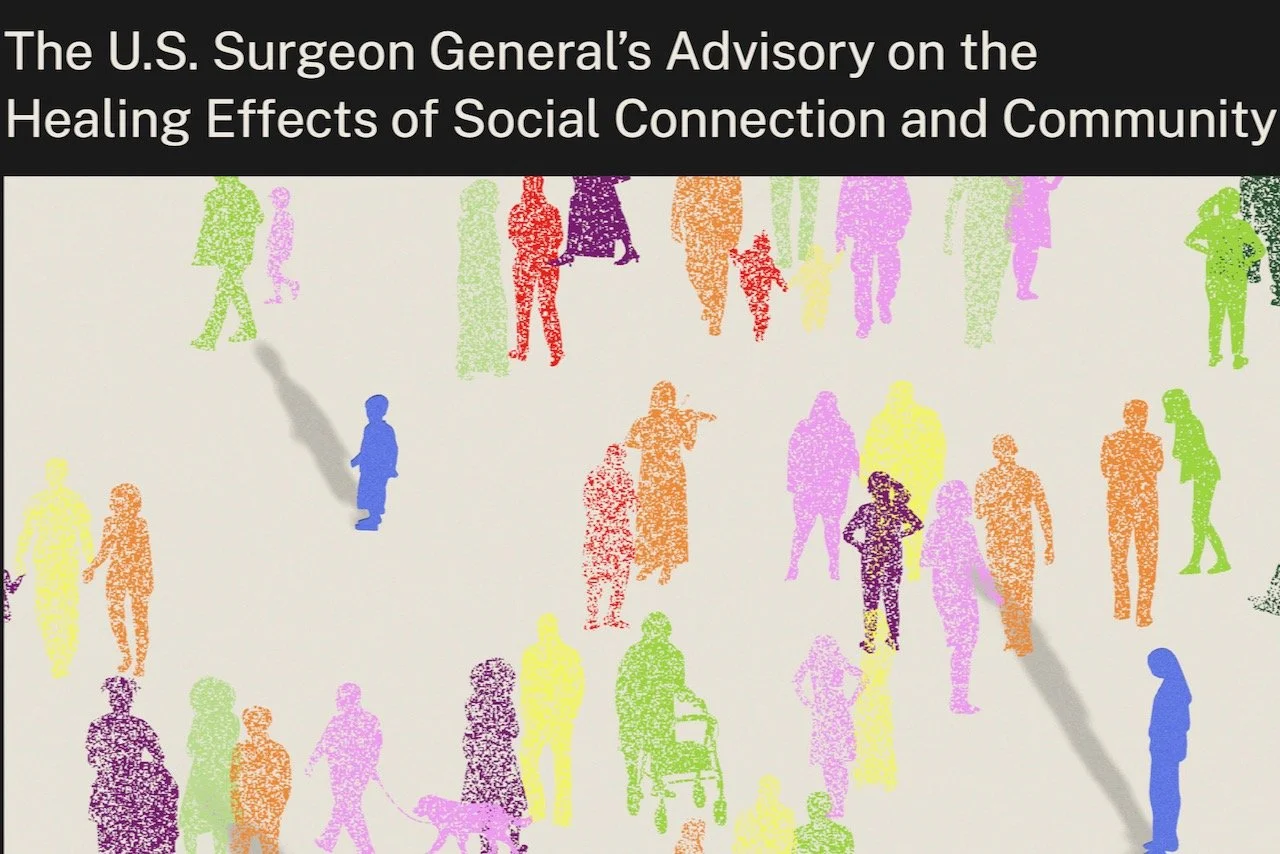
Surgeon General Vivek Murthy has elevated the issue of social connection to a top public health priority. Research in recent years has demonstrated the strong role that social connection plays as a protective factor against many diseases, while, at the same time, surveys of Americans show an increasing trend of loneliness.
Read More
Building H #81: Where the Sidewalk Ends
Last weekend, in three separate incidents in New York City, three people, walking across the street, were struck and killed by cars. They are the latest victims in a horrific national trend of increasing road violence, dating back more than a decade.
Read More
Building H #80: Have you met the Commercial Determinants of Health?
Last September, the Food and Drug Administration, eying those high-sugar, low-fat snacks and cereals labeled “healthy” in big green type, proposed a new standard for using the word. Too much sugar or salt, and manufacturers would have to remove the word “healthy” from their labels, or reformulate their products to meet the new standards.
Read More
Building H #79: Limited Engagement
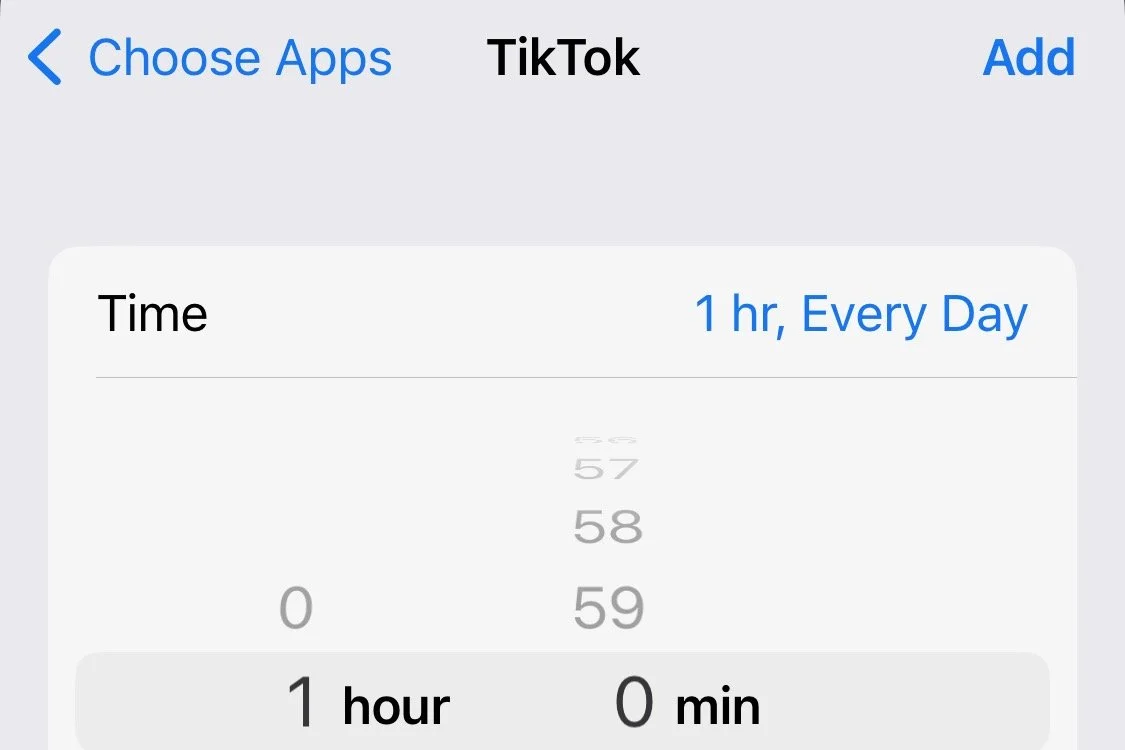
Under pressure as Congress debates various interventions, TikTok recently announced that it will limit teens to 60 minutes of use per day. As reported in The Verge, the limit can be overcome by entering a passcode (children under 13 will need a parental code), but, at a minimum, the requirement will add some friction to the user experience and, in theory, prompt some reflection about the urge to continue.
Read More
Building H #78: Announcing Our Advisors
We start this edition with some news about Building H. First, we are delighted to announce that we are being joined by a fantastic team of advisors, who will be supporting us with strategic advice as we grow our network, develop a set of key projects like the Building H Index, and take steps to become a sustainable organization. Our advisors are…
Read More
Building H #77: What Comes After WFH?
The well-known venture capitalist (and inventor of the browser) Marc Andreessen recently sounded the alarm about the social implications of the rise of remote work. While more and more people have gradually returned to their offices, the numbers are roughly half of what they were before the pandemic.
Read More
Building H #76: Ozempic Nation 2
The American Academy of Pediatrics issued new guidelines last month for the treatment of children with obesity. The guidelines are aggressive and represent a significant escalation from previous recommendations.
Read More
Building H #75: The Iron Is Hot
Back in the early days of the pandemic, Brittany Sigler connected with us on Twitter and became a key contributor to our first Building H Index report. She then took the question that motivates us – what would it take to make companies offer healthier products – and pursued it as the basis of her doctoral dissertation, with our longtime collaborator Sara Singer as one of her advisors.
Read More
Building H #74: Ozempic Nation
Back in May we covered the buzz about a new class of weight loss drugs that were showing great promise in clinical trials. Fast forward seven months and there’s a new buzz: demand for the diabetes drug Ozempic and the weight loss drug Wegovy (which is based on a higher dose of semaglutide, the active ingredient in Ozempic) is through the roof – leading to shortages.
Read More
Building H #73: Can We Teach People to Be Healthy?
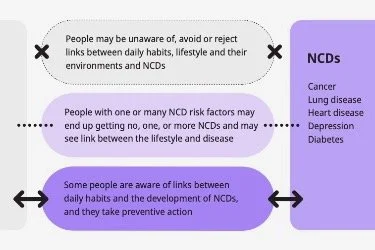
Perhaps the central challenge of public health, and in turn of this Building H project, is to improve the public understanding of how everyday behaviors - our habits, routines, customs, beliefs - manifest into unintended outcomes, those so-called diseases of civilization: obesity, cancer, lung disease, heart disease, depression, diabetes and so on.
Read More
Building H #72: Simple or Simplistic?
Two articles in this edition speak to the complex interplay among our environments, our lifestyles, our bodies, our minds, and our underlying biology. The Economist takes a hard look at antidepressants, raising a number of concerns about their widespread use, the hit-or-miss nature of their effectiveness, the increasing skepticism about the underlying science, the difficulty of weaning off of them, and the increasing hazards they pose for older users.
Read More
Building H #71: Designing for Happiness
Our biggest project at Building H is the Building H index. Last April, our index ranked and rated products and services from 37 companies on how they affect the health of their customers. The report got great national coverage, with Fast Company covering the release and the issue of how the product environment affects public health. We were also pleased that many of the companies we profiled engaged in the process as well.
And now: time for the next edition of the Index!
Read More
Building H #70: New Workshops & New ideas
This edition of the newsletter is like a reverse mullet: a party up front, and all business in the back.
First, the party!
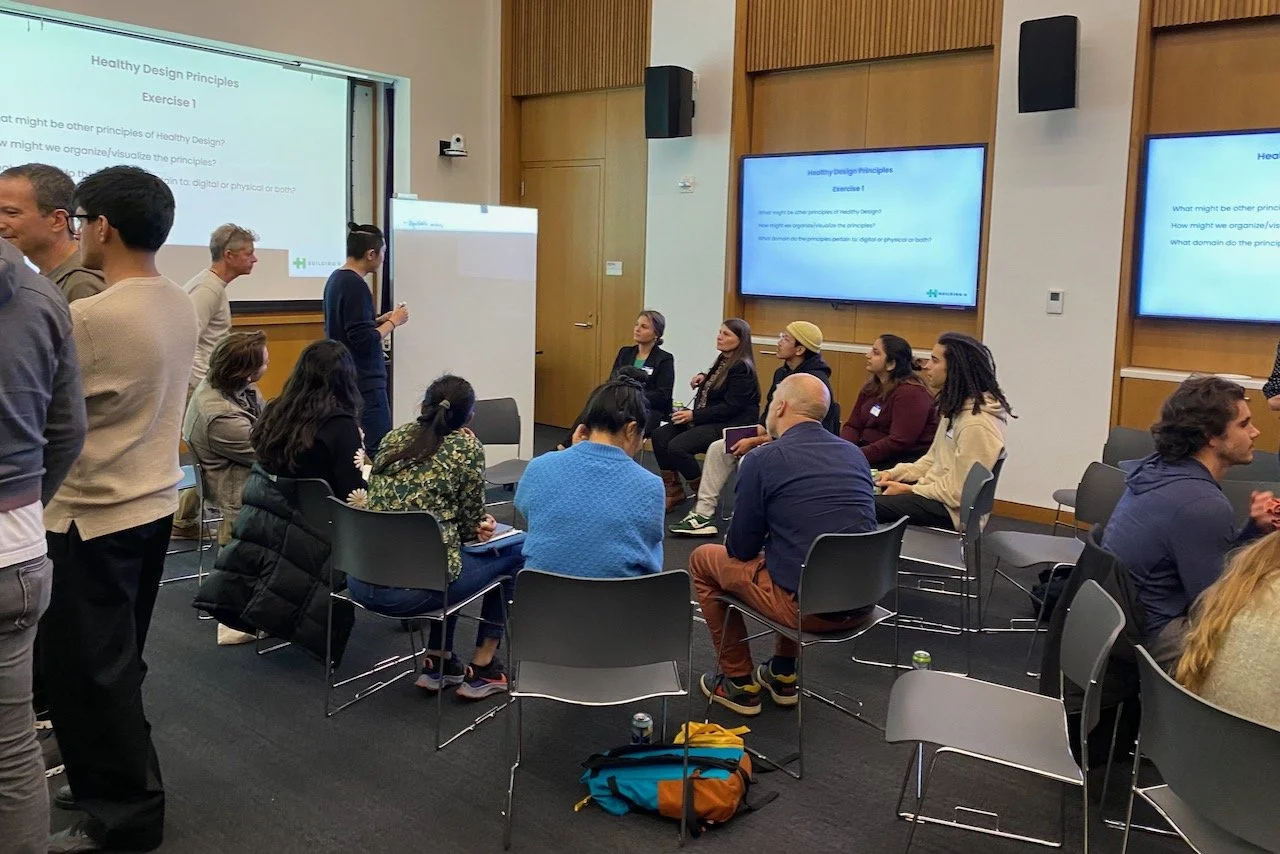
We’re thrilled to announce two in-person Building H meet-ups next month in New York and Boston to get input, ideas, and share progress on our Healthy Design Principles.
Please join us! You can sign up on Eventbrite for Wednesday November 2 in Brooklyn or Wednesday November 9 in Boston.
Read More
The Jetsons, now 60 years old, is iconic. That's a problem.
In an article for Slate, Building H co-founder Steve Downs looks at the enduring influence of The Jetsons, a cartoon sitcom launched in 1962. The Jetsons gave us a vision of technology could shape our world — it gave us flying cars, moving sidewalks, robot maids, and even nuclear-powered dogs. Implicit in this vision was that technology would utter in a lifestyle of exceptional convenience — everything could be summoned or performed with the touch of a button or a simple voice command.
Read More
Building H #69: Back to the Future
Embedded cultural assumptions about how technology will shape our lives has had profound consequences for our health. Steve makes this argument in an article posted this morning in Slate: The Jetsons, Now 60 Years Old, Is Iconic. That’s a Problem. He uses the 60th anniversary of the cartoon sitcom to reflect on the world its creators envisioned, the enduring influence that vision has had, the lifestyles that resulted, and the need for new visions in which technology supports the everyday behaviors that humans need to thrive.
Read More
Building H #68: Putting Food Issues on the Table
Life expectancy in the US is down again, according to a new report released by the National Center for Health Statistics. Overall life expectancy dropped nearly three years – from 79 to 76 – over the last two years, the largest two-year drop in 100 years.
Read More
Building H #67: Chronically Online
Mark Zuckerberg is betting his company, Meta (née Facebook), on the “metaverse,” a concept he has been trying to explain to people. (His visual examples have not fared so well). According to Zuckerberg, “'A lot of people think that the metaverse is about a place, but one definition of this is it's about a time when basically immersive digital worlds become the primary way that we live our lives and spend our time.”
Read More